
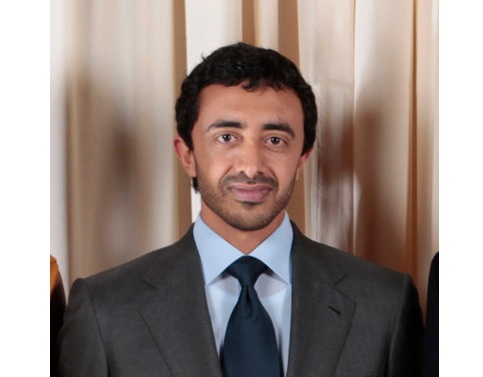
The United Arab Emirates has expressed strong disapproval of Iran’s recent missile and drone strikes targeting Kuwait. Sheikh Abdullah bin Zayed, the UAE’s Deputy Prime Minister and Minister of Foreign Affairs, labeled these actions as acts of terrorism during a phone call with Kuwait’s Foreign Minister, Sheikh Jarrah Jaber Al Sabah. This conversation underscored the UAE’s firm stance against aggression in the region.
In light of these attacks, Kuwait confirmed that its air defense systems successfully intercepted the incoming missiles and drones, which reassured the public that any explosions heard were due to these defensive measures. The exchanges between the two foreign ministers focused on the regional security landscape, highlighting the UAE’s commitment to Kuwait’s defense and stability. Sheikh Abdullah reiterated that the security of Kuwait is intricately linked to that of the UAE and the broader Gulf area.
The attacks occurred against a backdrop of diplomatic maneuvering between the United States and Iran. U.S. officials have signaled progress in ongoing discussions, although they emphasize that any prospective agreements remain subject to final endorsement. This diplomatic activity aims to address the broader tensions in the region, which have been exacerbated by incidents like the recent attacks on Kuwait.
Additionally, the situation is complicated by continuing disputes over maritime security in the Strait of Hormuz, a crucial passage for global shipping. Iran has reacted strongly against recent U.S. comments about naval operations in the strait, accusing Washington of making unlawful statements that breach international standards.
The UAE’s support for Kuwait highlights the increasing unease over regional security, as nations in the Gulf continue to face heightened military tensions. This solidarity is a critical factor as diplomatic efforts persist, aiming to restore stability and prevent further escalation in an already volatile environment.