
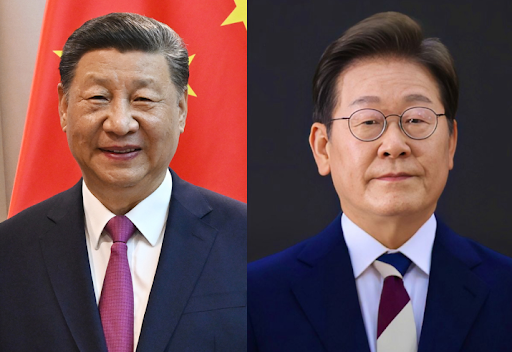
The state visit of Chinese President Xi Jinping to South Korea produced two starkly different narratives. For China, it was a story of economic cooperation and “mutual respect.” For South Korea’s President Lee Jae Myung, it was a complex and often frustrating exercise in managing protests, a hostile North Korea, and superpower friction.
The Chinese narrative, broadcast by its state media, was one of success. It highlighted the signing of seven new economic agreements, including a currency swap, as proof of a deepening partnership. President Xi’s public comments were calibrated to sound reassuring, calling for “friendly consultation” to resolve any differences.
The South Korean reality was far more complicated. As Lee hosted Xi, hundreds of his own citizens were in the streets protesting Chinese influence. This domestic backlash put Lee, who has tried to contain such demonstrations, in a deeply awkward position, highlighting the public’s skepticism of his China policy.
Furthermore, Lee’s diplomatic agenda hit a wall. His key request—for Xi to help restart dialogue with North Korea—was instantly rejected by Pyongyang. The North’s dismissal of the effort as a “pipe dream” was a public embarrassment and a stark reminder of Seoul’s limited leverage.
The summit also underscored the U.S. factor. Coming just after a visit by U.S. President Trump, Lee’s discussions with Xi were freighted with U.S.-China tensions. Lee’s need to raise the U.S.-backed THAAD missile system and Chinese sanctions on a U.S.-linked firm showed he is less a host than a manager of conflicts between greater powers.