
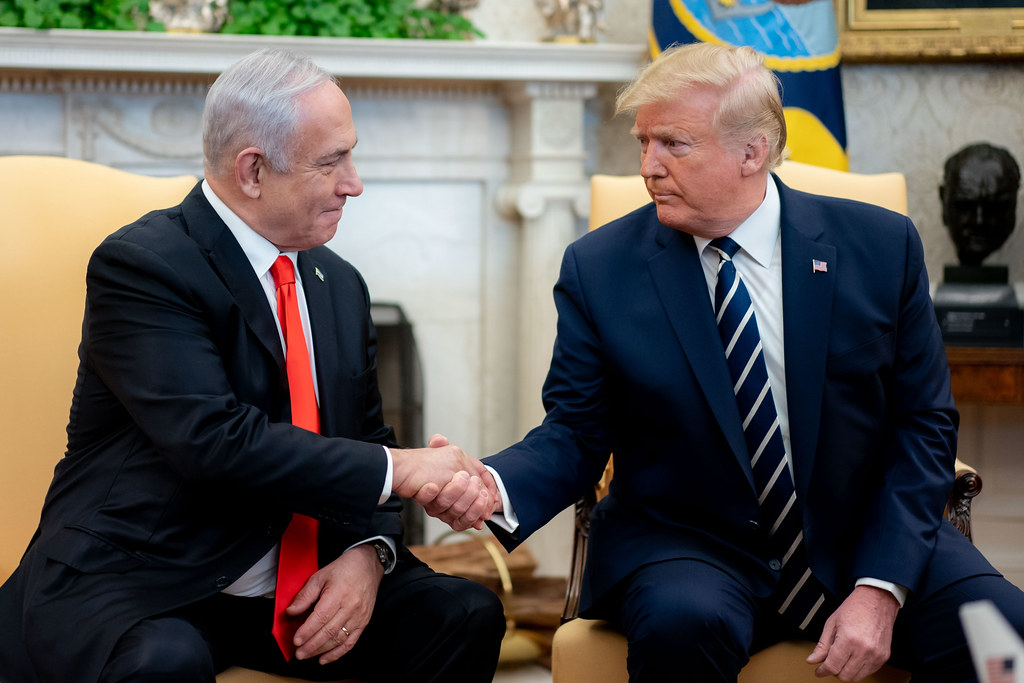
The US peace plan for Gaza establishes a steep price for peace: the complete and unconditional surrender of Hamas. As the militant group weighs this 20-point ultimatum, the world is debating whether this demand is a viable path forward or an insurmountable obstacle to ending the conflict.
Proponents of the plan, including President Donald Trump and a broad international coalition, argue that there can be no lasting peace as long as Hamas remains an armed force committed to Israel’s destruction. From this perspective, the group’s disarmament is a necessary precondition for the reconstruction of Gaza and the safety of the region.
The deal offers powerful incentives to make this price palatable, including an end to the war, an Israeli withdrawal, and massive humanitarian aid. It presents a clear choice between self-preservation for the group and survival for the people of Gaza, who have suffered over 66,000 deaths.
However, critics question whether any organization would willingly accept its own dissolution. Demanding total surrender could be seen by Hamas as a call to martyrdom, potentially leading them to reject the deal and fight to the end, resulting in even more bloodshed.
The viability of the plan now rests on Hamas’s internal calculations. Will the group’s leadership see surrender as a pragmatic choice to save lives and preserve a future for Palestinians in Gaza, or will they view it as a betrayal of their cause? The answer will determine if the high price of peace can, or will, be paid.