
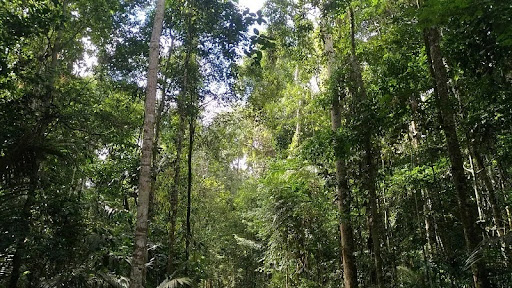
A radical new model for climate finance is at the heart of the Belem summit: “debt, not donations.” Brazil’s President Luiz Inácio Lula da Silva is proposing a “Tropical Forests Forever Facility” that moves beyond traditional aid to use interest-bearing loans to save the rainforests.
This innovative mechanism is designed to attract a much larger and more reliable pool of capital. By seeking loans from both wealthy nations and commercial investors, the fund aims to make forest preservation a financially attractive and stable policy for 74 developing countries.
The goal is to make it more lucrative for governments to keep their trees standing than to allow their destruction. This directly counters the profits currently made by industries like cattle ranching and logging that drive deforestation.
The “debt-for-nature” style plan has already secured $5.5 billion in pledges, including a $3 billion commitment from Norway, with Germany expected to join. This provides strong initial backing for Lula’s ambition to rewire the economics of conservation.
This financial strategy is also being paired with social equity, as 20 percent of the fund is earmarked for Indigenous peoples. However, the model will be tested by a fractured political landscape, as the leaders of the top three polluting nations are absent from the talks.