
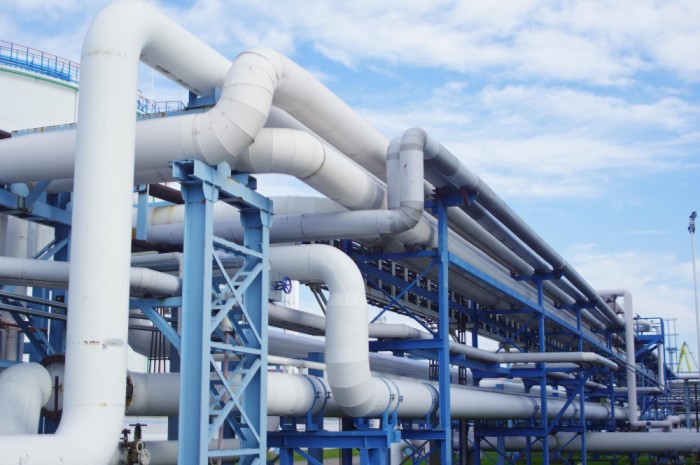
The United Arab Emirates (UAE) is set to complete a new oil pipeline by next year, which will bypass the strategic Strait of Hormuz and safeguard its crude exports from potential disruptions. This announcement comes amid an ongoing blockade of the strait, a crucial maritime passage where 20% of the world’s oil and seaborne gas once flowed, before it was cut off due to the conflict with Iran. This blockade, now nearing its 11th week, has driven energy prices up globally and strained the economies of the Gulf region.
Abu Dhabi’s crown prince, Sheikh Khaled bin Mohamed bin Zayed Al Nahyan, has instructed the UAE’s state oil company to expedite the previously unannounced pipeline project. The pipeline aims to transport oil from the emirates to the port of Fujairah by 2027, enhancing the UAE’s export capabilities. The new infrastructure will significantly boost the capacity of the existing Habshan-Fujairah pipeline, which currently accommodates up to 1.8 million barrels per day to the Gulf of Oman port.
Since Iran’s blockade of the Strait of Hormuz began shortly after US and Israeli military actions on February 28, the existing pipeline has been vital for the UAE to continue its oil exports. Among Gulf producers, only the UAE and Saudi Arabia have pipelines that allow crude to be exported outside this narrow waterway, which lies between Iranian and Omani territories.
The decision to expedite this second pipeline follows the UAE’s recent exit from OPEC after six decades, signaling a clear shift in its stance from Saudi Arabia, the cartel’s unofficial leader. The UAE, previously OPEC’s third-largest oil producer, left the organization to potentially increase its oil output beyond the production limits OPEC might impose once the conflict resolves and normal passage through the Strait of Hormuz resumes.
While the precise capacity of the new pipeline remains undisclosed, doubling the current capacity to 3.6 million barrels per day would align the UAE’s pipeline exports more closely with those of Saudi Arabia. The kingdom, which can transport about 7 million barrels daily from its eastern oilfields to the Red Sea port of Yanbu, of which 5 million barrels are exported, has traditionally supported strict production quotas to maintain high oil prices for its economic plans. The UAE’s new pipeline could enable it to increase exports even if the conflict continues or if peace efforts do not fully restore tanker movements through the strait to pre-crisis levels.