
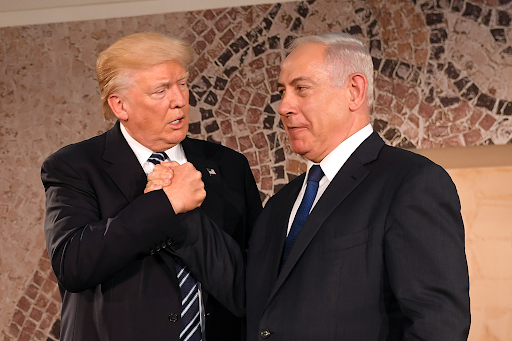
Monday’s high-stakes peace summit at the White House is the latest chapter in a brutal conflict that was ignited by a single day of terror in October 2023. Understanding the Hamas-led attack that served as the catalyst is crucial to comprehending the depth of the trauma and the difficulty of ending the nearly two-year war that followed.
On that day, Hamas militants launched an unprecedented, multi-pronged assault on southern Israel, breaching border defenses and rampaging through civilian communities. The attack resulted in the deaths of approximately 1,219 people, mostly civilians, in a shocking display of violence. Furthermore, hundreds of Israelis were abducted and dragged back into Gaza as hostages.
This event, the deadliest single attack in Israel’s history, created a profound and lasting shock to the nation’s psyche. It shattered the public’s sense of security and led to an overwhelming demand for a military response that would ensure such an attack could never happen again.
The Israeli government, under Prime Minister Benjamin Netanyahu, responded with a massive military campaign aimed at the complete eradication of Hamas. This has led to the current war, which has seen over 66,000 Palestinians killed and has created a devastating humanitarian crisis in the Gaza Strip.
As President Trump now tries to broker a peace, he is dealing with the deep-seated consequences of that catalytic event. The Israeli demand to “finish the job” and the profound distrust of any deal that leaves Hamas intact are direct results of the trauma inflicted in October 2023. Any successful peace plan must, in some way, provide a sense of closure for that foundational wound.