
Emerging health data paints a troubling picture of metabolic liver disease prevalence. Research published at the beginning of this year uncovered that metabolic complications affect nearly 40% of adults, leading to significant liver fat accumulation. This condition develops quietly, with most affected individuals remaining unaware, highlighting the critical need for accessible dietary intervention strategies.
The progression of fatty liver follows a predictable pattern that can be modified through nutrition. Initially asymptomatic, the condition begins with fat accumulation that triggers inflammatory pathways. These inflammatory processes gradually damage tissue structure and function. Without nutritional and lifestyle modifications, progressive inflammation leads to permanent scarring that severely compromises liver capabilities and can result in life-threatening complications.
A nutrition professional with specialized training in metabolic health has identified five powerful foods offering substantial liver protection and reversal potential. These evidence-based recommendations stem from research demonstrating specific mechanisms by which certain compounds support liver health. Each food targets particular aspects of disease progression through inflammation reduction, oxidative stress management, or regenerative enhancement.
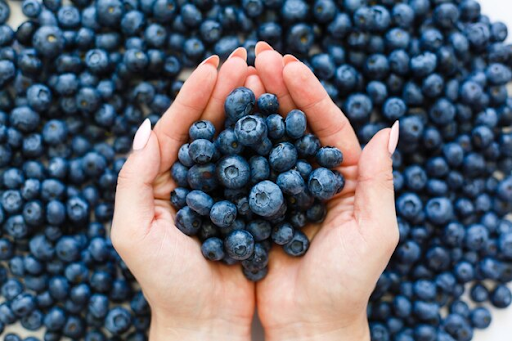
The carefully selected foods include both common and traditional ingredients readily available. Certain caffeinated beverages demonstrate ability to actively slow disease progression through multiple pathways. Deeply pigmented fruits provide anti-inflammatory compounds that specifically protect liver cellular structures. Traditional superfruits deliver concentrated antioxidants that combat oxidative damage, while nutrient-dense foods enhance liver cell production and natural repair mechanisms.
Adopting these recommendations doesn’t require complicated meal planning or expensive ingredient sourcing. The approach centers on regular, consistent inclusion of these beneficial foods through manageable dietary habits. Whether choosing specific morning beverages, incorporating particular fruits into meals and snacks, or cooking with certain traditional spices, these simple adjustments create sustainable patterns that yield substantial liver health improvements when maintained over time.