
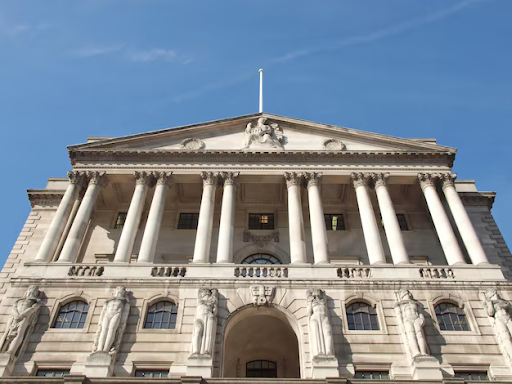
The Bank of England has kept interest rates unchanged at 3.75%, with demographic shifts including aging and migration affecting economic potential and appropriate policy settings. Population dynamics shape long-term growth and inflation.
The monetary policy committee’s 5-4 vote occurs against a backdrop of demographic change that influences labor supply, productivity, and consumption patterns. An aging population typically means slower workforce growth, affecting potential GDP and the unemployment rate consistent with stable inflation.
Retirement of experienced workers can reduce productivity while creating labor shortages that drive wage inflation. This creates a challenging environment for monetary policy—slower potential growth argues for lower rates, but labor market tightness argues for higher rates to prevent wage-price spirals.
Migration policy affects labor supply and therefore inflation dynamics. Changes in immigration rules influence how many workers are available at different wage levels, affecting the relationship between unemployment and wage growth that guides monetary policy.
Governor Bailey’s projection that inflation will fall to around 2% by spring incorporates assumptions about labor market dynamics influenced by demographics. The unemployment forecast rising to 5.3% partly reflects demographic factors affecting participation rates. Aging demographics might mean this unemployment rate represents less labor market slack than historically. The GDP forecast of 0.9% reflects partly demographic constraints on growth potential. Chancellor Reeves’s budget measures, including utility bill cuts and rail fare freezes from April, provide support to households including pensioners. Inflation at 2.1% by mid-2026 assumes demographic trends continue gradually without sudden shifts.