
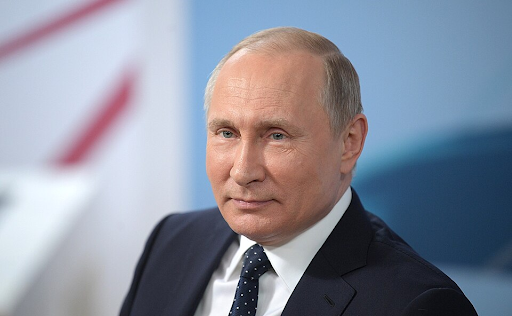
A summit of Soviet nations became the forum for a distinctly new-world crisis, as Russia admitted to downing a passenger jet with sophisticated air defenses. The tense exchange between the leaders of Russia and Azerbaijan highlighted the complex legacy of the old bloc.
Meeting in Dushanbe, Tajikistan, Vladimir Putin acknowledged that on December 25, 2024, Russian missiles targeting Ukrainian drones caused the crash of an Azerbaijani airliner, killing 38. He called the event a “tragedy.”
The setting—a gathering of former Soviet states—was poignant, as two of its most significant members publicly clashed. The dispute over the plane crash has frayed the bonds of a shared history, replacing them with modern geopolitical grievances.
Azerbaijani President Ilham Aliyev’s accusation that Russia tried to “hush up” the incident was a stark departure from the usually carefully managed diplomacy of such summits. It was a public airing of a deep-seated grievance in a forum built on the premise of partnership.
Putin, in turn, used the platform to promise restitution, offering compensation and a legal review. His statement was an attempt to manage the crisis within the familiar confines of the post-Soviet space, but the damage to relations was already evident.